
Oct
If you’ve been looking for natural ways to support your body’s detox systems, you’ve probably heard about the plant compound sulforaphane, and probably have questions: What is this super-compound? Is it safe? How can I add this to my diet?
Whether optimizing your vegetable consumption or researching supplements such as ReLive Greens from The Root Brands, this article will help you gain a better understanding of sulforaphane.
What is Sulforaphane and Where To Find It
Sulforaphane is a naturally occurring plant compound that can be found in many vegetables that fall under the ‘cruciferous vegetable’ category. However, this compound, which belongs to a class of compounds called isothiocyanates, doesn’t just exist ‘normally’ in these vegetables.
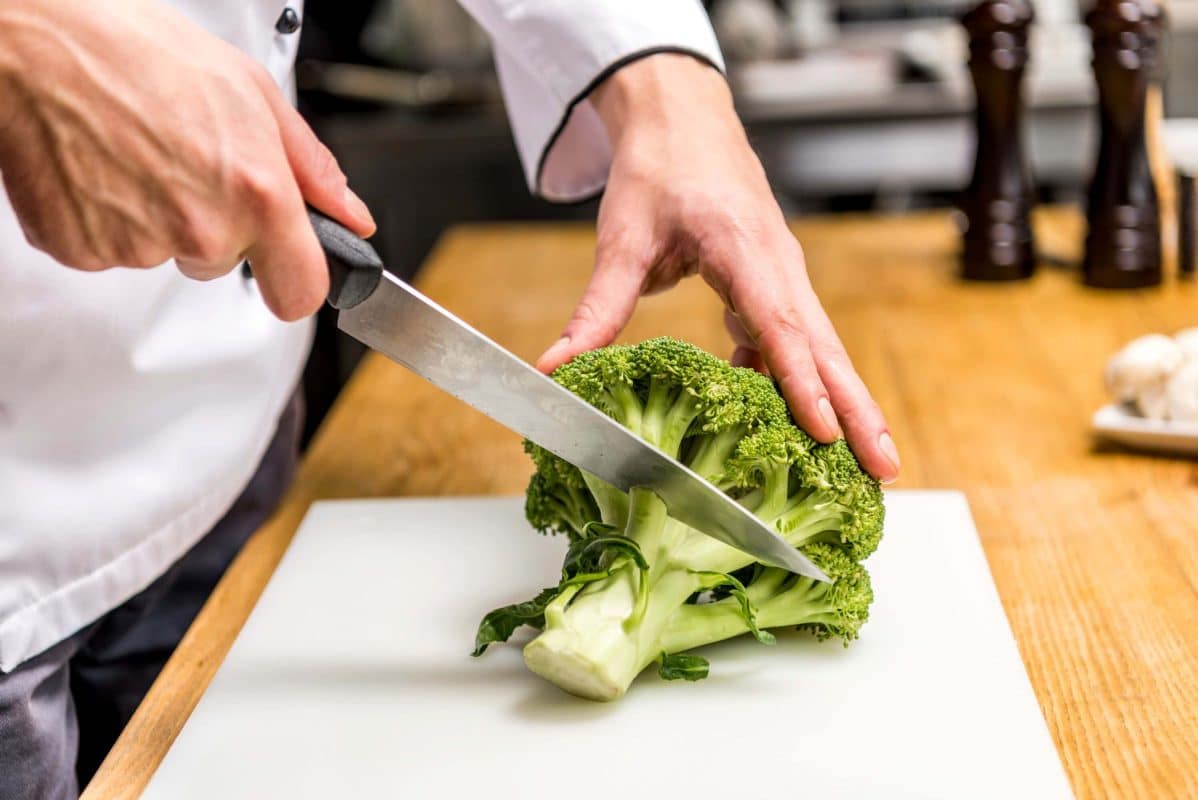
This compound arises when glucoraphanin comes into contact with a specific enzyme called myrosinase, which happens when these vegetables are crushed, chewed, or otherwise damaged.
Not all cruciferous vegetables are created equal. The best food sources to get sulforaphane from are generally of the ‘broccoli’ genus (more on that below) or mustard greens, which you can supplement with daily doses of mustard powder.
Sulforaphane can be found in raw cruciferous vegetables and cooked vegetables alike, such as:
broccoli sprouts
broccoli sprout extract
mustard greens
broccoli florets
cooked broccoli
broccoli seed extract
other cruciferous vegetables, like cabbage, kale, and cauliflower
brussels sprouts
leafy plants like bok choy, collard greens, and kale
Is Sulforaphane Safe?
Sulforaphane is a completely safe, sulfur-rich compound found in a variety of different foods that offers numerous health benefits. Both human studies and animal studies have conducted tests where doses far higher than what you might ingest in a regular diet have shown side effects are little more than mildly upset digestion.
As such, there are a number of sulforaphane supplements on the market today, since it contains a bunch of different nutrients and can boost detoxification enzymes in the body. Taking sulforaphane supplements is perfectly safe for most people, but it’s advised to check with a healthcare provider before taking any.
Even while some digestive symptoms (particularly gas and indigestion) have been documented during research and human trials, the effects of high doses of sulforaphane, particularly with supplementation, are not very well-known.
Broccoli Benefits & Nutrition
There are many other health benefits to broccoli and other sulforaphane-bearing vegetables, beyond their rich spectrum of nutrients, vitamins, and minerals. Broccoli is rich in glucosinolates, which further research has shown to be an ‘inducer’ to the body’s natural detox pathways.
Broccoli can also support a healthy hormone balance and combat the oxidative stress our bodies experience from microplastics, chemicals, and heavy metals we ingest in our daily lives.
Back to the vitamins and minerals:
Vitamin C: An important micronutrient that’s important for immune system health and skin health.
Vitamin K1: Helps prevent blood clots and can promote bone health.
Vitamin B9 (Folate): This vitamin is super important for pregnant women as it’s a necessary supplement for tissue growth and cell function.
Potassium: An essential mineral, potassium also helps mitigate blood pressure and prevent heart disease, among other health benefits.
Manganese: Another beneficial trace element that can be found in different types of food, from grains to vegetables.
Iron: One of the most important minerals for the body, and it can help carry blood rich in oxygen to the brain.
Research into Sulforaphane and Cancer
For years now, scientists have been conducting research into the possible connection between sulforaphane intake and lower cancer risk. This particular study, published in an international journal, posits that people who eat broccoli and other cruciferous vegetables on a regular basis often have a reduced cancer risk.
The reason comes down to the effectiveness of sulforaphane in the body. It helps our cells clean out harmful substances, lowers stress on our cells, and may even slow the growth of unhealthy ones.
Eating broccoli also ties into bigger health goals. It’s a low-calorie (just don’t use too much oil!), high-fiber food that can support a healthy body weight, and maintaining a healthy weight is another proven way to reduce overall cancer risk.
One thing to keep in mind is that this research is still fairly new, and further studies are needed before a completely definitive answer is reached. Right now, the conclusions that have been drawn from many of these human studies show a surface-level correlation between sulforaphane content via broccoli consumption and lower cancer risk. However, the controls are such that genetic factors are, well, still factors, so they may be skewing the metrics.
Sulforaphane in Broccoli
Sulforaphane production in broccoli is dependent on a combination of different factors, such as the type of broccoli it is, how it was grown, and how it was processed.
According to research from the National Institutes of Health (NIH), tests on raw, freshly harvested broccoli found that 100 grams can contain anywhere from 0.5 to 18 milligrams of the sulforaphane compound. However, the amount of sulforaphane in a given sample can vary—some are significantly higher.
Whole Broccoli Supplements, and Where to Find Them
As mentioned, broccoli and other cruciferous vegetables are powerful detoxifiers, which is why integrating them into our daily diets is important.
However, we may not always be able to do this easily or have the time—which is why products like ReLive Greens are a fantastic option for people on the go. It’s a super nutrient-dense food packed with a variety of healthy components, including fiber, antioxidants, and sulfur-rich compounds that can support gut health and liver function, among many other benefits.

 What is ROOT Prime and what are its Benefits?